Does more sulphur pay in oats?
A 310-acre split-field test of S15 rate on a Home Half oat crop.
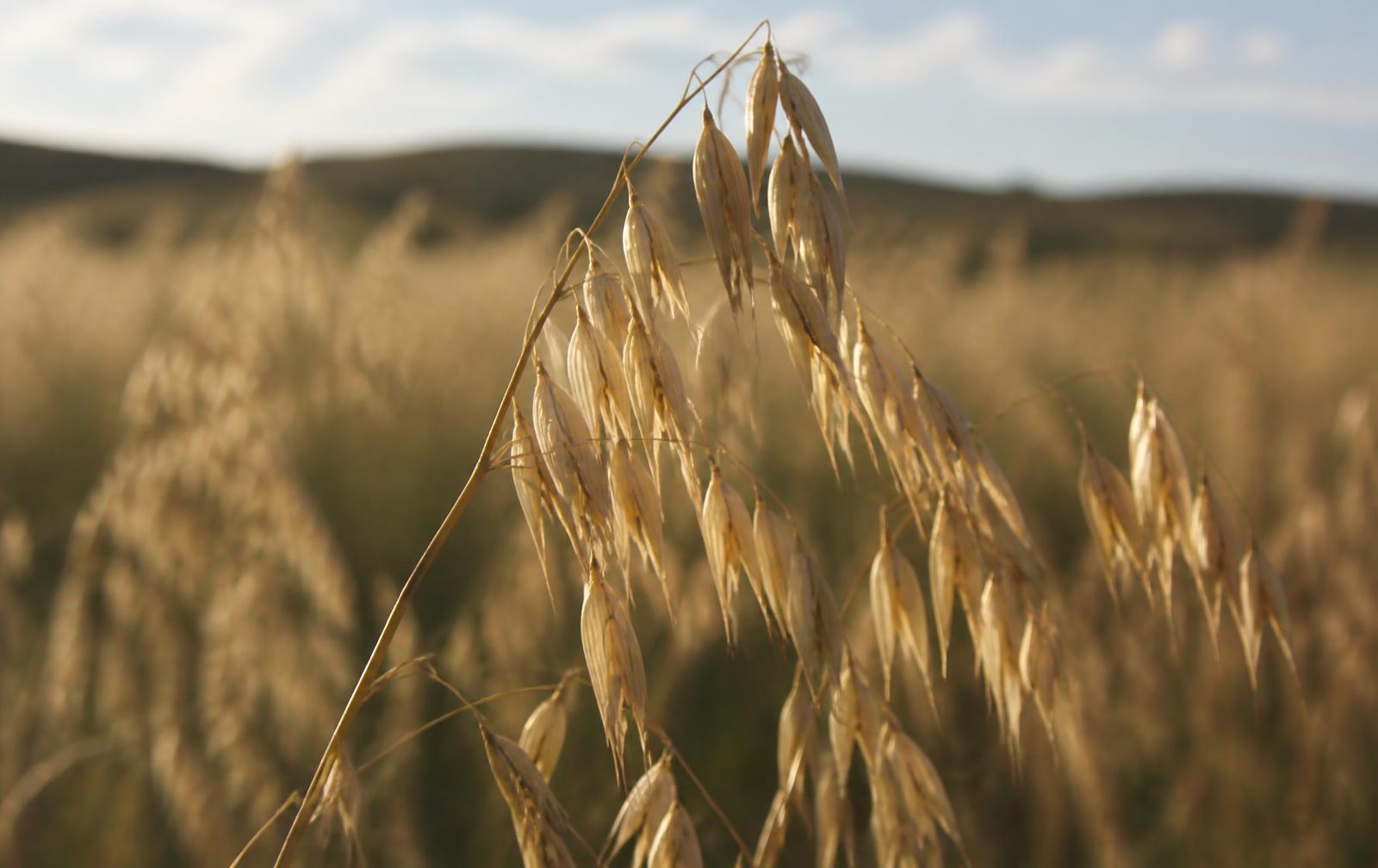
Producer field, East Central SK · Producer identity withheld
The question
On a field with a long oat history and variable topography, does raising the S15 blend rate from 60 lb/ac to 90 lb/ac return more than it costs?
Tissue tests from the previous two seasons flagged sulphur as marginal on the mid-slope and hilltop zones, but whole-field yield had never separated. A rate change is cheap to test and easy to reverse, so it was the first thing worth proving.
Trial design
How it was run
- Two rates applied in alternating 120 ft strips across the full length of the field, replicated four times.
- Everything else held constant: same variety, same seeding rate of 3.0 bu/ac, same pre-pass and in-crop chemistry.
- Yield captured by calibrated combine monitor and resolved to 20 m cells, then joined to the as-applied fertiliser map.
- Cells within 30 m of a strip boundary were dropped to remove overlap effects.
Interactive map
The field, cell by cell
Yield resolved to 20 m cells across the real field geometry. Switch layers to see yield, fertiliser rate and profit, and move the price slider below to redraw it.
Results
What the numbers did
What if prices change?
Yield and rates are fixed observations from the field. Move the price and cost assumptions to see whether the result still holds on your farm.
| Treatment | Yield | Revenue/ac | Cost/ac | Margin/ac |
|---|---|---|---|---|
| S15 at 60 lb/acControl | 128.4 | $513.60 | $78.00 | $435.60 |
| S15 at 90 lb/ac | 137.9 | $551.60 | $90.00 | $461.60 |
At these assumptions the treatment returns +$26.00/ac against the control.
The story
What the season looked like
The season opened dry. Emergence was even but slow, and through most of June the strips were visually identical — the kind of trial that looks like a waste of time from the truck window.
The separation showed up after the late-June rains. On the mid-slope, the higher rate held colour two weeks longer and filled a noticeably heavier panicle.
At harvest the whole-field average hid most of it. It was only once yield was resolved to 20 m cells and overlaid on the as-applied map that the pattern became obvious: the response was almost entirely on the mid-slope and hilltop, and close to zero in the low-lying draws.
What we learned
Takeaways
- 01Sulphur response was zone-specific, not field-wide. Averaging across the field would have called this trial a wash.
- 02The extra 30 lb/ac paid for itself roughly three times over on responsive ground, and lost money on the draws.
- 03Next season the honest answer is not a higher flat rate — it is a variable rate prescription built off this map.
Would we do it again?
Yes — but not flat across the field.
The rate increase earns its keep on the responsive two thirds of this field. Applied flat, the gain on the good ground is partly given back on the draws. The trial has effectively paid for the prescription work that follows it.
Browse the full trial library